Growing vegetables in Phoenix is absolutely possible, but you can’t always follow advice written for other parts of the country. The heat, intense summer sun, desert soil and two main growing seasons change when and how you garden.
This post may contain affiliate links. Please see my disclosure policies. If you purchase after clicking an affiliate link we may receive small commission at no cost to you. As an Amazon Associate I earn from qualifying purchases.
Originally published September 4, 2022— Last updated September 5, 2026
What Can I Plant Now in Phoenix?
Not sure what to plant this month? Start here. See which vegetables are in season and what you can plant from seed or transplant.
Check the Phoenix planting calendar.
Gardening for Beginners: How to Grow Vegetables in Arizona
I’ll show you what to grow, when to plant it, where to put it and how to keep your vegetable garden growing. In this guide, we’ll walk you through how to grow vegetables step by step, so you can enjoy the satisfaction of harvesting your own fresh, delicious food.
I’m New to Vegetable Gardening
If it’s your first vegetable garden, no worries. I’m here to help you create one in a few easy steps. No matter where you live the basic steps to grow vegetables are the same. Let’s break it down step by step.
How to Start a Vegetable Garden in Phoenix in 6 Easy Steps
1. Garden Location
Arizona Gardening Tip: Vegetables love sunlight, so aim for a location that receives at least 6-8 hours of sun. In Arizona this is referring to morning sun. Afternoon sun is too intense for most vegetables and herbs.
2. Garden Layout & Size
Arizona Gardening Tip: Starting small is a smart move for beginners. A raised bed or container garden can be easier to manage than a large, in-ground plot.
3. Water
Arizona Gardening Tip: How often you water is important, but it is equally important to water deep enough. Vegetables need to be watered long enough for the water to reach 1 foot below the soil surface.
4. Garden Tools
Arizona Gardening Tip: The right tools make gardening easier. Staples include: spade, shovel,
5. Prepare Garden Plot
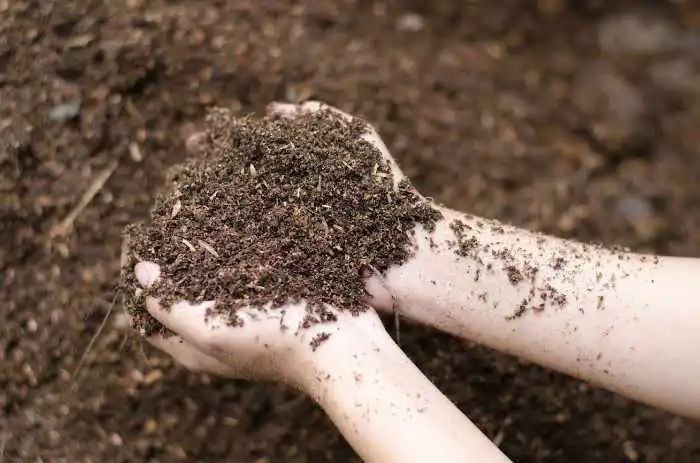
Arizona Gardening Tip: Phoenix soil is not should be mixed with compost, and/or gardening soil, at a minimum use only 20-50% native soil, less is better when it comes to the vegetable garden.
6. Choose Your Seeds or Transplants
Arizona Gardening Tip: Pick foods you and your family enjoy eating. Choose seed or transplant varieties that have quick gestation times.
Want the complete step-by-step guide?
Read my guide → How to Start a Vegetable Garden in Phoenix
Easiest Vegetables to Grow in Phoenix
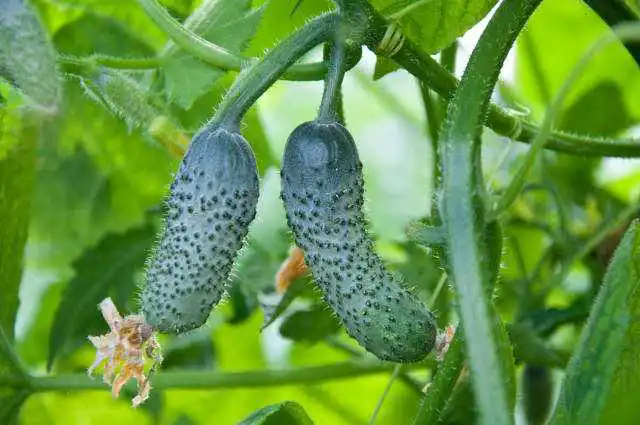
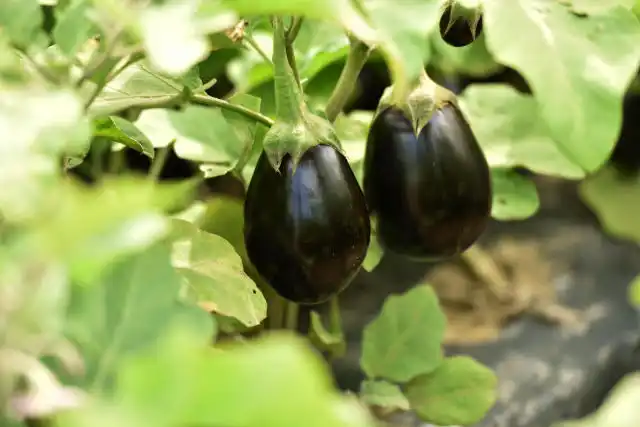
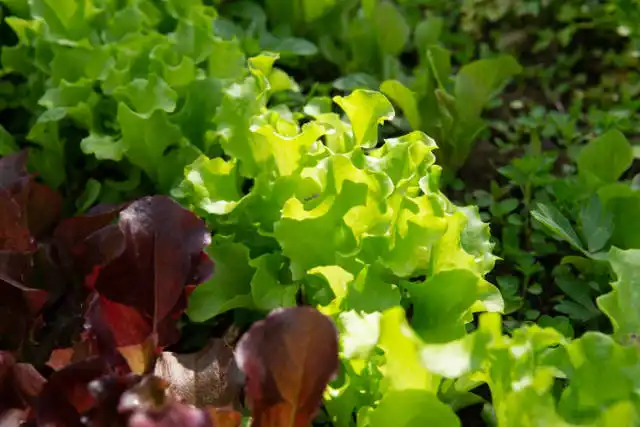
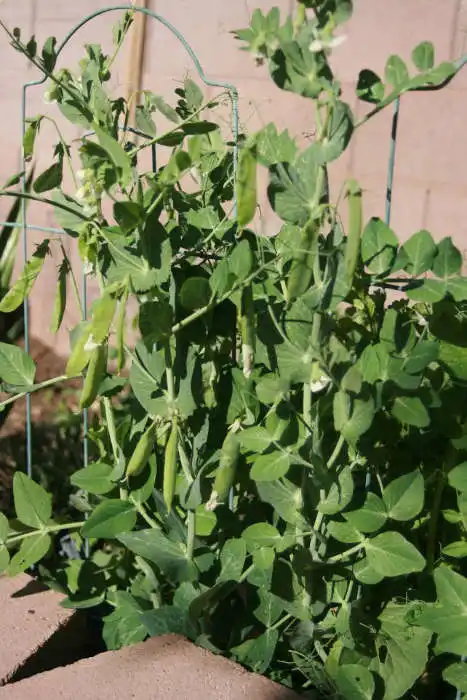
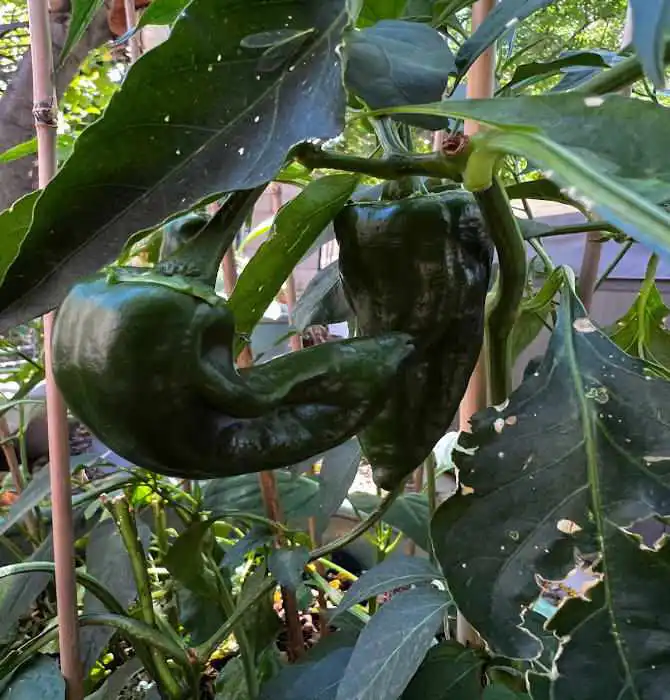
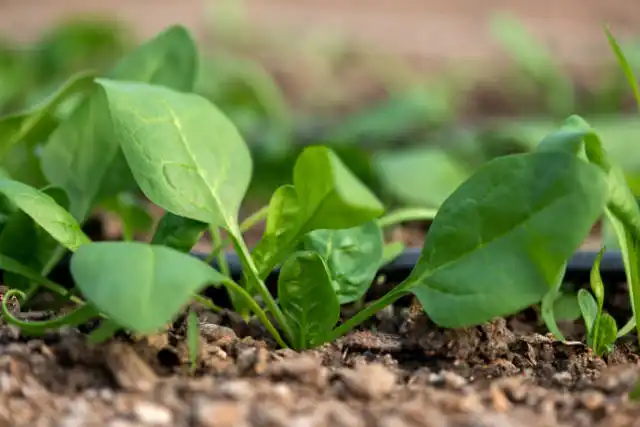
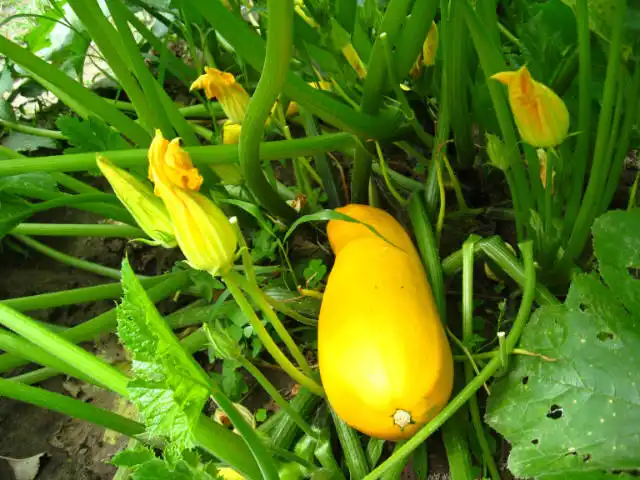
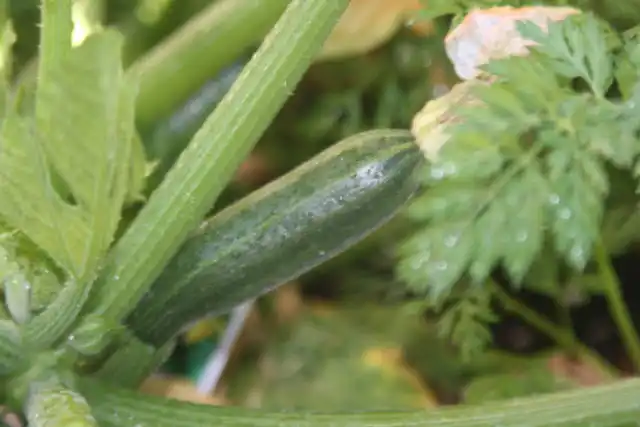
I find that heat loving vegetables such as eggplants, beans, zucchini, and peppers are some of the easiest to grow in Phoenix. Cool season vegetables like snap peas, and lettuce have always done well too.
However, regardless of the type of vegetable the easiest ones to grow in Phoenix are the ones with faster days to maturity. It usually takes a few weeks for a seed to sprout into a seedling.
What Vegetables Can You Grow in Phoenix?
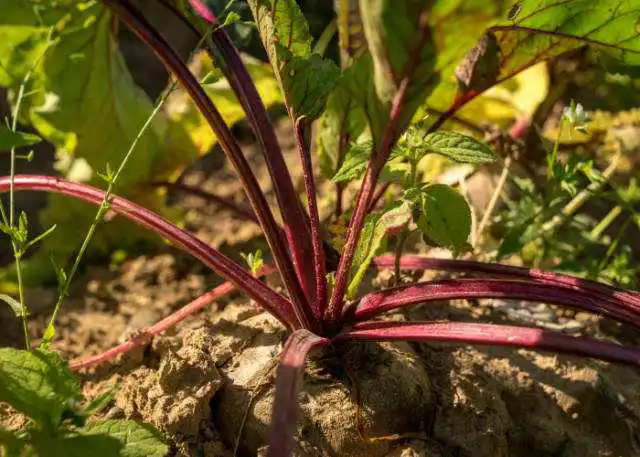
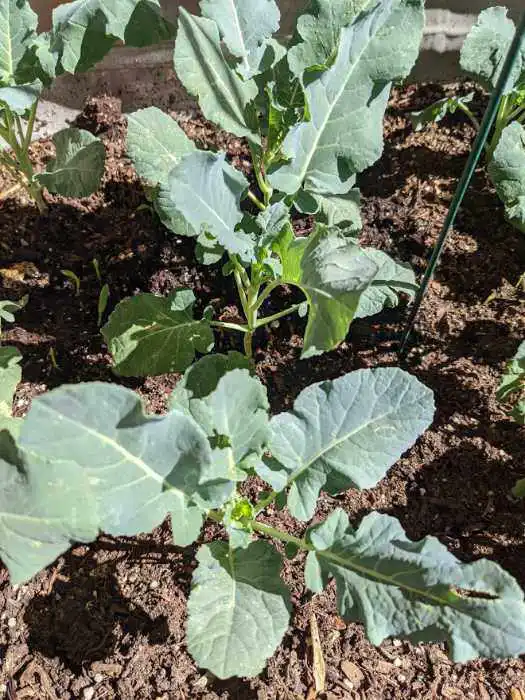
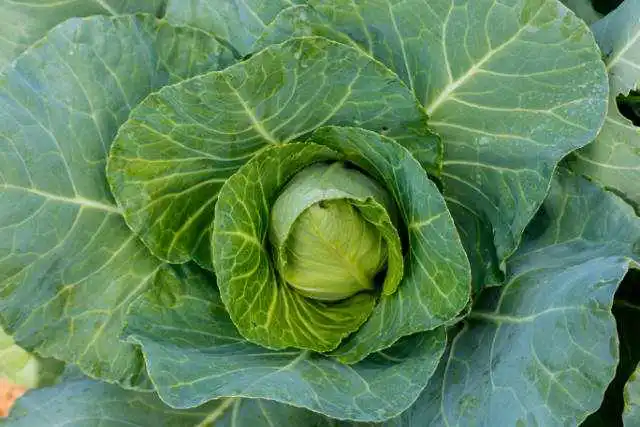
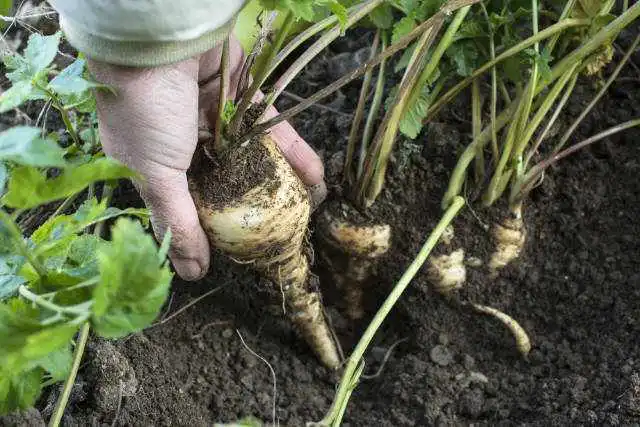
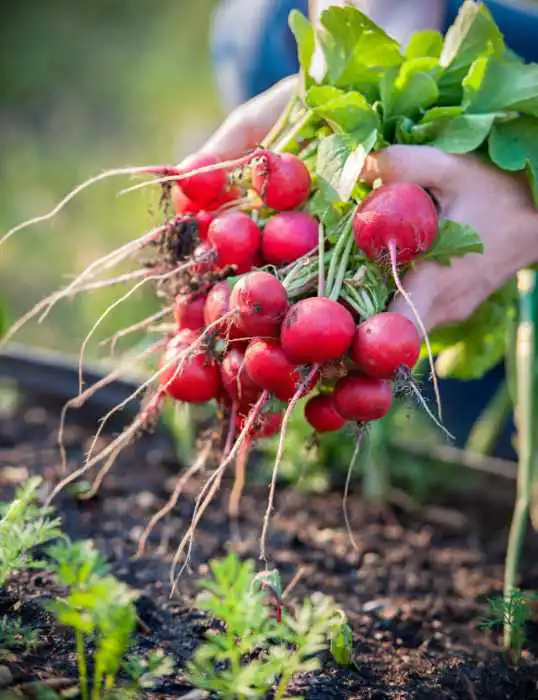
You have lots of choices in vegetables. Explore vegetable-by-vegetable growing guides. You can grow both warm-season and cool-season vegetables.
Warm-season & cool season vegetables
Vegetables that grow during the warm season are ones whose seeds prefer temperatures between 70 degrees and 90 degrees. However, once it gets over 95 degrees most of these plants will stop producing. Vegetables that grow during the cool season are ones whose seeds can sprout in temperatures between 55 degrees and 75 degrees.


I already have a garden
Find help with soil, watering, pests and common problems.
The Four Keys to Gardening Success
Your vegetable garden’s success hinges on four factors: soil, water, sun, and timing. Get these right, and you’re well on your way to a bountiful harvest.
Phoenix Gardening Guides
What I Learned From Starting My Own Phoenix Vegetable Gardens
With my first vegetable garden we had to remove the sod, which wasn’t too fun. We rented a sod cutter from a home improvement center and it made the job a little easier. After the sod was taken out we then rented a rototiller and tilled up our new garden area. We then added compost and organic material and tilled once again. Our garden area was then ready for planting.
Our next garden endeavor was to create a raised garden bed out of cinder blocks. This one was easier because we started with a 10 by 4.5 foot area of bare dirt. To raise the garden we purchased about 30 blocks. It took 60 bags of a mixture of manure, compost, and gardening soil. Then we layered the different materials into the garden bed.
We then moved to wooden raised garden beds and metal raised garden beds.