Starting a vegetable garden in the low desert of Phoenix is a little different than gardening in other parts of the country. Heat, intense summer sun, desert soil, and timing of our growing seasons all affect how well your garden grows.
Good news, you don’t have to figure it all out at once. These six steps will walk you through the basics, from choosing the right location and planning your garden to preparing the soil and deciding what to plant.
How to Start a Vegetable Garden in Phoenix
- Choose a location
- Decide the layout
- Determine how to water
- Gather your tools
- Prepare your garden plot
- Choose your seeds or transplants
Garden Location: Find the Right Spot to Grow Vegetables
The old saying “location, location, location” applies to gardening too! Vegetables thrive in the right conditions. The most important step in vegetable gardening is finding the best spot. Take a look around your yard and identify a spot for your new garden.
Tips for Finding the Perfect Spot
- Sunlight: Aim for 6–8 hours of morning sun.
- Shade: Use existing trees, fences, or shade cloth to protect plants from afternoon sun.
- Tall vs. Short Plants: Place taller plants like corn or tomatoes on the north side of your garden to prevent them from shading shorter crops like lettuce or carrots.
Spend time observing your yard throughout the day. Does your potential garden spot get morning sun, afternoon shade, or a mix?
Arizona Gardening Tip: Vegetables love sunlight, so aim for a location that receives at least 6-8 hours of sun. In Arizona this is referring to morning sun. Afternoon sun is too intense for most vegetables and herbs.
Growing Vegetables- Specific to Phoenix, Arizona
Are you planting a vegetable garden in Phoenix for the first time?
While a plant tag may say it can take full-sun, this usually doesn’t apply to gardening in Phoenix. Vegetables cannot take full sun in Phoenix. The afternoon sun is intense here, so they will need some shade in the afternoon. Vegetables thrive in a spot that receives morning sun and afternoon shade.
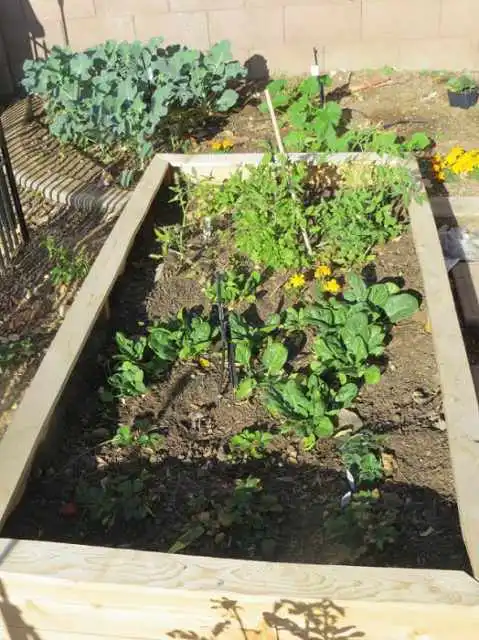
Every yard is different, so you’ll need to take a look at your outdoor space. Spend some time in the area you’re thinking of using as your garden spot. Some questions to consider when choosing a spot:
- Does it get sun in the morning or does it see more afternoon sun?
- Does it get full sun or partial sun?
- Are there any structures or existing trees that provide shade at different times of the day or in different seasons?
- What are your options for watering?
Decide Which Types of Vegetables to Plant
What kind of vegetables do you want to grow? What does your family like to eat?
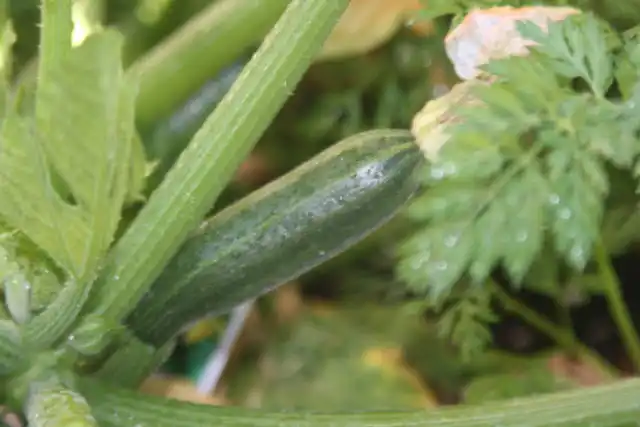
Which vegetables do you want to grow. Are you a fan of crunchy bell peppers, juicy tomatoes, crisp cucumbers or leafy greens? Consider your climate, available space, and personal preferences. Choose veggies that suit your taste and local growing conditions.
Easy to Grow Vegetables in Phoenix Arizona
Most seeds can be planted between the months of November and March. See the planting guide as a general guideline. Keep in mind that these are just guidelines frosts can happen even in early February and your warm season veggies will have to be covered if you plant them outdoors before the last frost.
Garden Layout & Size
Once you’ve chosen your veggies, it’s time to plan your garden’s layout and size. Garden size will depend largely on the space you have available and the time and effort that you would like to spend maintaining your new garden. Starting small is a smart move for beginners. A raised bed or container garden can be easier to manage than a large, in-ground plot.
Raised Beds, Containers, or In-Ground?
- Raised Beds: Easy to control soil quality and great for small spaces.
- Containers: Perfect for patios or limited space.
- In-Ground Gardens: Best for larger plots but requires soil preparation.
Will your garden be traditional, in a raised bed, or in a container?
If your garden is in a traditional in-ground bed you will most likely need to till the ground and add organic matter to the soil. If your garden is in a raised bed you’ll need to either purchase or build a raised bed and then fill it with soil.
Arizona Gardening Tip: Raised garden beds are ideal in Phoenix because you’re able to control the soil.
Which variety of seed or transplant should I choose?
One of the first things to do is identify your climate zone. In the world of gardening, Phoenix is referred to as the low subtropical desert. Understanding your gardening zone helps with the decision of when to plant and gives you an idea of what can grow here. In a few steps your garden will be ready.
Then you’ll want to decide do you start from seed or purchase starter plants? The best advice to follow is to choose seed or transplant varieties that have a quick gestation times. Veggies that will produce within 60 days are the easiest to grow in Phoenix.
If you are starting from seeds help your plants get a head start and soak the seeds the night before planting. Soaking can reduce the seed’s germination time.
Water Your Garden
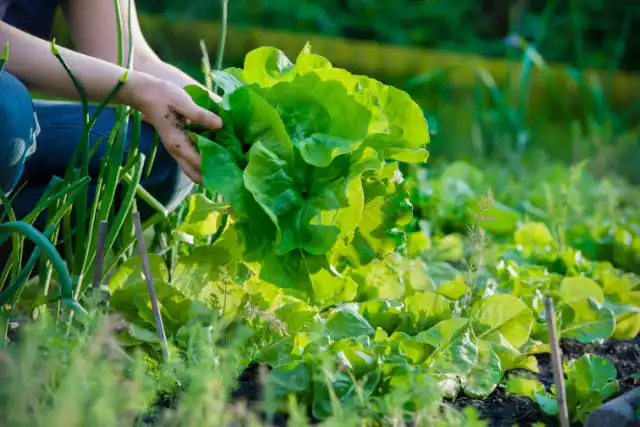
An irrigation system is the ideal way to go when creating a garden in Phoenix. Vegetables will need about an inch of water each week.
How often you water is important, but it is equally important to water deep enough. Vegetables need to be watered long enough for the water to reach 1 foot below the soil surface.
Drip emitters are a great choice to conserve water. They will provide water at the soil level near the plant’s roots rather than spraying water on the leaves. If you don’t have drip irrigation system another effective way to water is to use a soaker hose or fan sprinkler.
To test if your drip emitter is providing enough water you can use a soil probe. They are available to purchase or you can make your own using a metal rod from a home improvement store.
Before you dig, call 811. This free service can tell you the location of any buried utilities.
Prepare Your Garden Plot
Now that you’ve chosen a location, determined the garden layout, have a watering system or plan in place and have your tools you’re ready to prepare your garden plot.
Your soil is very important. This is where your seeds will get the nutrients they need to provide you with fresh vegetables, herbs and fruits.
In Phoenix, Arizona native soil is not really sufficient and should be mixed with compost, and/or gardening soil, at a minimum use only 20-50% native soil, less is better when it comes to the vegetable garden.
As a reminder, before you dig call 811 to identify where any buried utilities might be.
Garden Tools
Before you start you’ll want some basic gardening tools including:
a standard shovel and spade
A spading fork resembles a small pitchfork. It is used to dig down into hard soil and break up the ground.
If you have an in-ground larger garden than a hoe is a useful gardening tool, a wheelbarrow and a good garden rake might not be necessary, but they are helpful if you have a larger garden.
When to Start Planting
Now that your gardening spot is prepared find out when to plant and how to care for them. You can do this!
Check out the post on Gardening in Arizona: Simple Steps -What & When to Plant
Remember, gardening is a journey of continuous learning, so keep experimenting and trying new veggies. Happy gardening!
Gardening Guides